
The Cycle of Change and Replacement
The LeopardThis thread follows the novel’s pattern in which social change displaces an elite while allowing new beneficiaries to reproduce familiar structures of power.
increasing Bearing strength in each event
 decreasing
Bearing strength in each eventdecreasingA Class Losing Confidence

A Class Losing Confidence
A ruling order in doubt
Don Fabrizio Corbera, Prince of Salina, sees the Bourbon monarchy as weak and his own class as unable to renew itself. He does not believe that defending the old system will restore its vitality.
Decline begins inwardly
The aristocracy’s loss is not only imposed by revolution. Its own inertia, waste, and lack of practical attention have prepared it for displacement.
A New Class Learns Its Opening

A New Class Learns Its Opening
Local opportunity
Don Pietro Russo supports the political movement while pursuing the acquisition of Salina land. His conduct exemplifies practical calculation among rising local interests.
Power changes direction
The Prince understands that such men want to take the aristocracy’s place rather than destroy every feature of its world. The conflict becomes competition over who will inherit authority.
A Marital Bridge
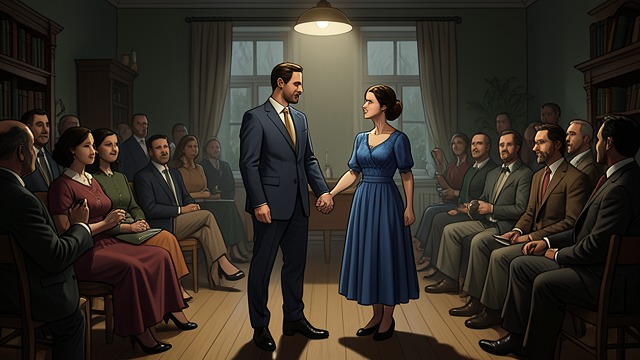
A Marital Bridge
A new alliance
The engagement of Tancredi Falconeri and Angelica Sedàra binds an old aristocratic name to new wealth. The union carries the transition into the private life of both families.
Change preserves privilege
Tancredi can retain status by accepting the money of a rising class. The marriage illustrates how social replacement may occur through alliance rather than open destruction.
An Old Prince Steps Aside

An Old Prince Steps Aside
The choice to withdraw
The Prince refuses a role in the new Senate and acknowledges that another kind of political actor is now needed. He does not mistake withdrawal for victory.
Replacement accepted
By recommending Don Calogero, he helps identify the sort of practical figure who will prosper. The old aristocrat recognizes the incoming order even while distancing himself from it.
The New Elite’s Familiar Shape
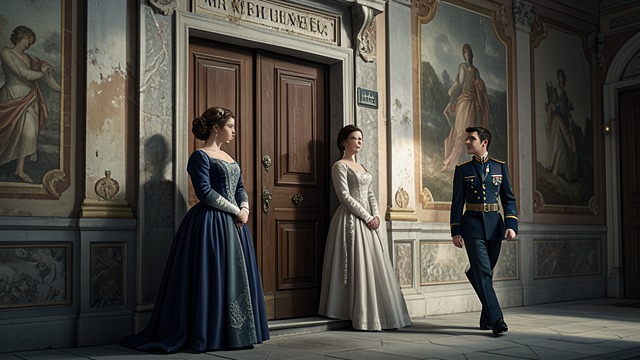
The New Elite’s Familiar Shape
The old family diminished
By 1910, the Salina sisters retain a grand name and villa but have little of the social authority associated with the Prince. Their struggles center on private ritual and reputation.
Replacement is not liberation
The new elite has inherited positions and institutions without necessarily remaking society. The cycle of class change leaves familiar patterns of power behind new names and fortunes.
May 1860, as the Prince considers the monarchy
May 1860, during the conversation with Russo
October 1860, during the Sedàra negotiations
November 1860, after refusing the Senate seat
May 1910, during the relic dispute
